11. Commonplace Coffee Co. House & Roasters, Pittsburgh
12. Milstead & Co., Seattle
13. Everyman Espresso, New York
14. Peregrine Espresso, Washington D.C.
15. Artifact Coffee, Baltimore
Looks like it's an even split between East/West coast with great cafe's, and some of these coffee shops are close to most of our partners. We should try to go to some of these places and see what the hypes all about!
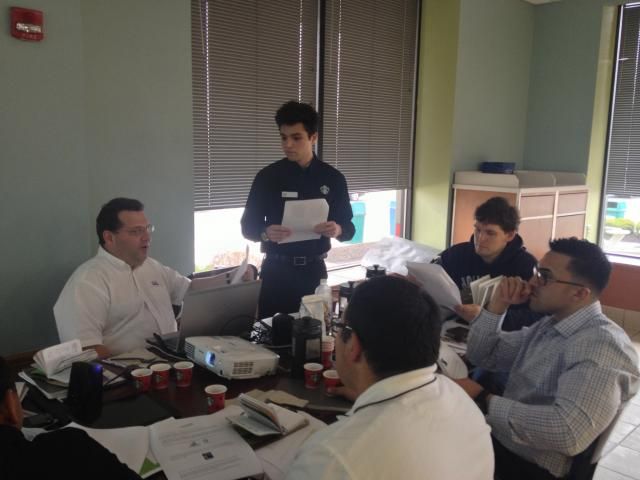
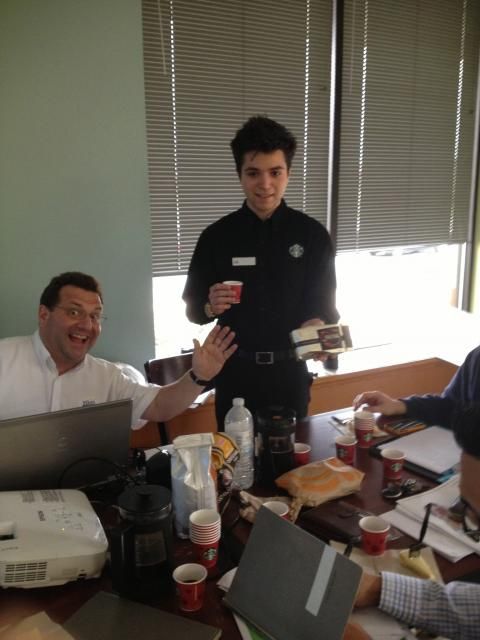
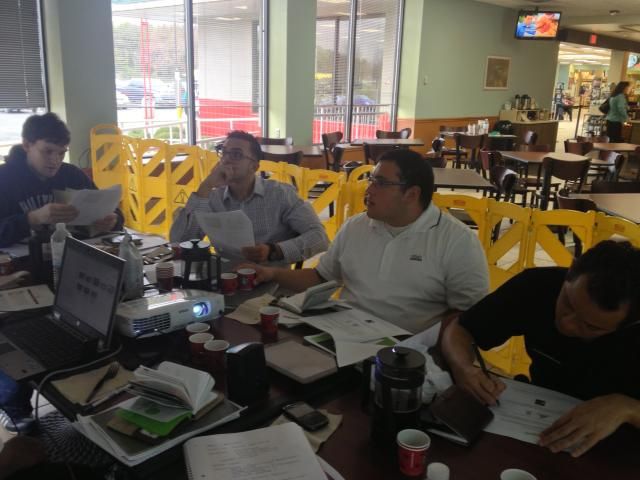
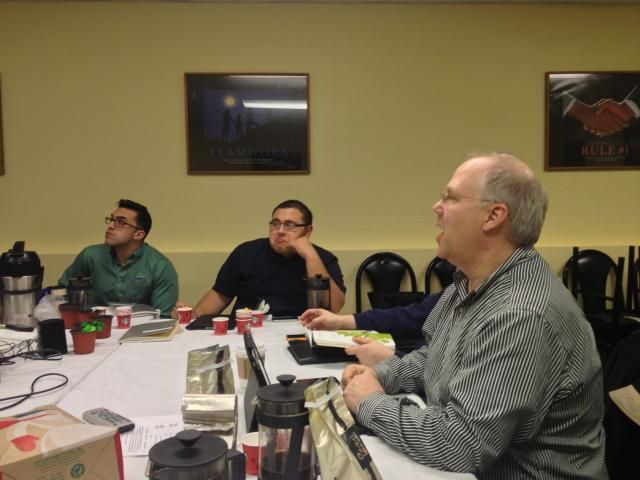
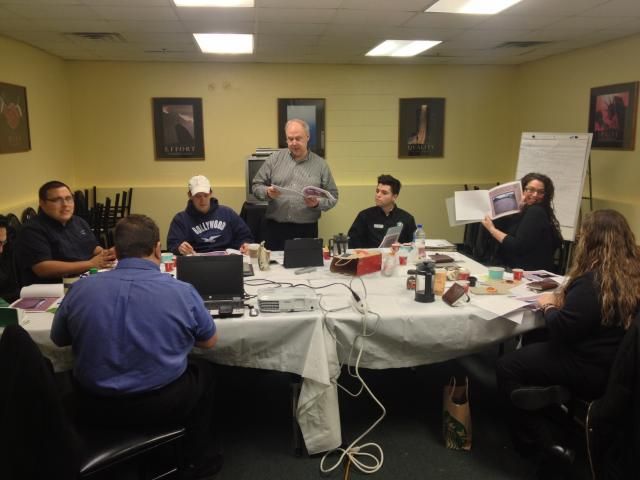
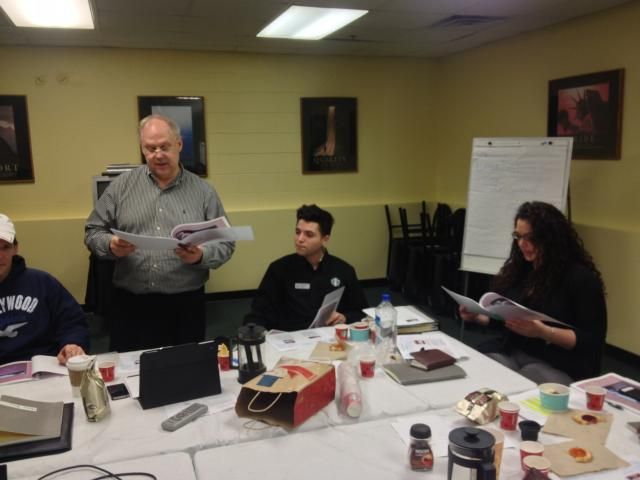
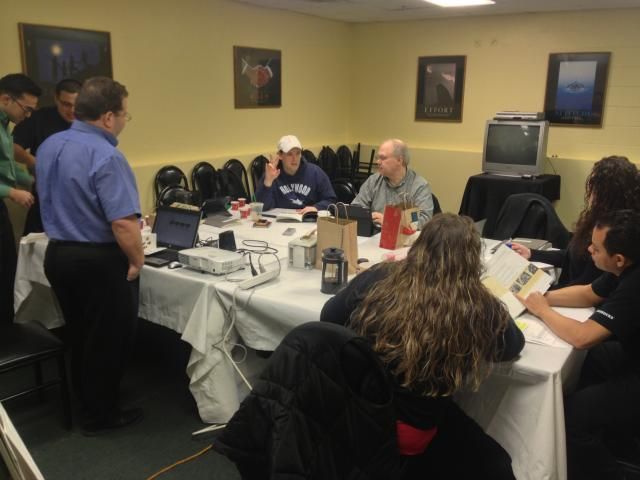
Our fourth Coffee Master Journey class was held on April 11th at the James Cooper Travel Plaza. We missed Julie and Mark this time around (Hope you had a great vacation Mark!) but Mike Penna (Company Operated Store Manager/Coffee Master from NYC) still delivered an excellent and much appreciated class for us. We learned about what sets Starbucks apart from most other companies, and thats the way they handle their business; with a "Green" approach building the backbone of their organization. From ethical sourcing to certified fair trade coffee, we experienced a whole other side of Starbucks that makes us feel proud to work for such a great company.
Maykol was the first to present his groups project on Starbucks Shared Planet, Building Relationships with Producers. He did a slide show presentation and a handout with spaces for us to fill in the information as he presented the project. The highlight of the project was understanding the commitment Starbucks has for doing business in a way thats good for the people and the planet. It's incredible how aware Starbucks is of the global impact they have and by sharing this mindset with the world, they create a feeling of pride for not only their partners but their customers as well. We also learned about the types of farms that Starbucks buys from; Smallholder Farms, Cooperatives, Estates, and Exporters. For the coffee tasting, Maykol did Sumatra which is a coffee that sells really well in our stores and is actually Howard Shultz's favorite core coffee.
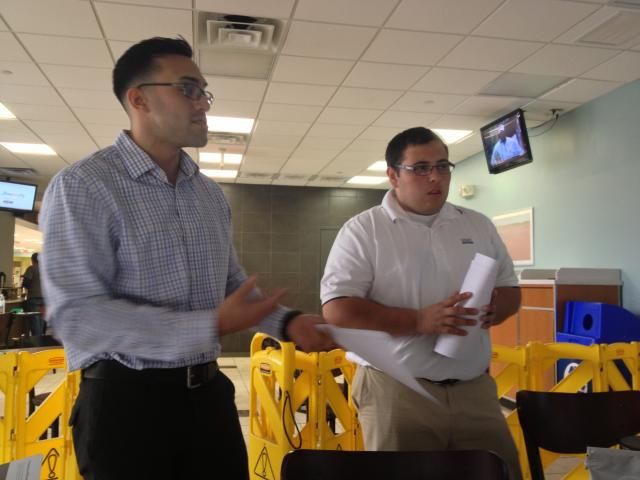
(Roberto & Manny)
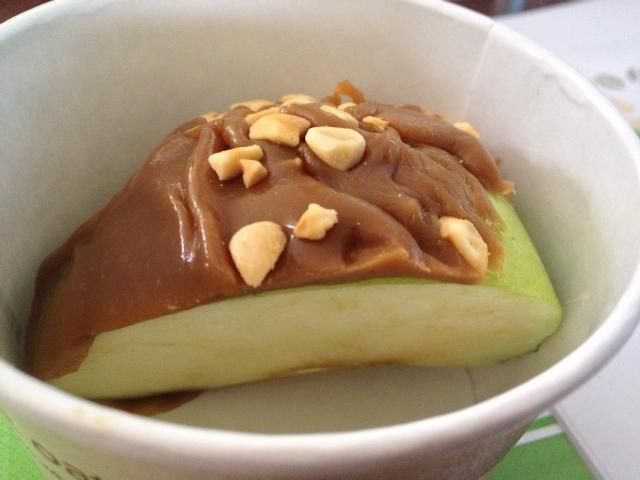
Roberto & Manny presented their project on the components of ethical sourcing. They incorporated a section of their project with information on Dunkin Donuts and compared it to the ethical sourcing guidelines Starbucks uses. It was great to learn about how Starbucks pays premium prices for their coffee and they know how much of the price they paid went directly to the farmer who grew the coffee. They follow good labor standards by paying defined minimum-wage standards while hiring no child or slave labor and providing healthy working conditions. As well as C.A.F.E. Practices to ensure we are purchasing high-quality coffee produced in socially and environmentally responsible ways. For their coffee tasting they did House Blend which was balanced with a nutty aroma and a Dunking Donuts coffee that was paired with caramel covered apples. Delicious!
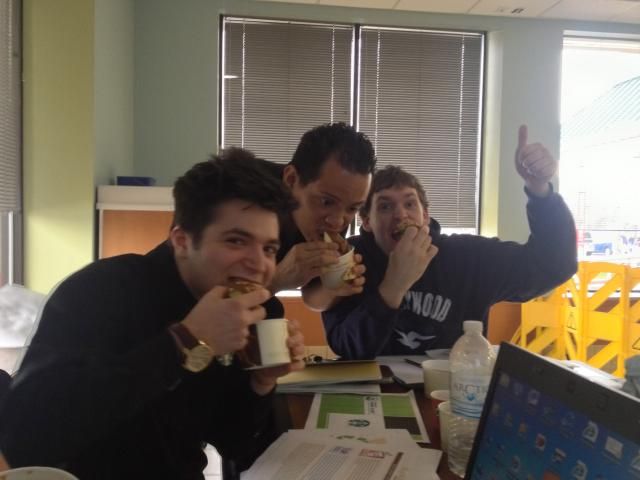
(Jordan, Maykol, & Mike enjoying the caramel apples!)
(Caramel Apple for Manny & Roberto's coffee tasting)
(Jay & Jordan presenting their project)
Jay and Jordan's project was on the differences between "Organic" & "Certified Organic", Conservation International, & Fairtrade. They showed videos and a handout to go along with the presentation and the coffee tasting. A highlight is understanding that most coffee Starbucks buys is grown organically but not "certified organic" and that it could take up to 3 years for a farm to become certified organic. For the coffee tasting they did Organic Yukon Blend which is described as a hearty coffee that was paired with chocolate covered pretzels and a Starbucks Reserve Tanzania Southern Highlands (Shhhhhh..) which has an incredible black berry aroma with a slight citrusy flavor, paired with lemon tart.
(Lemon Tart for Jordan & Jay's coffee tasting)
(Left-Right; Mike, Roberto, Manny, & Maykol)
(Stacey presenting her project)
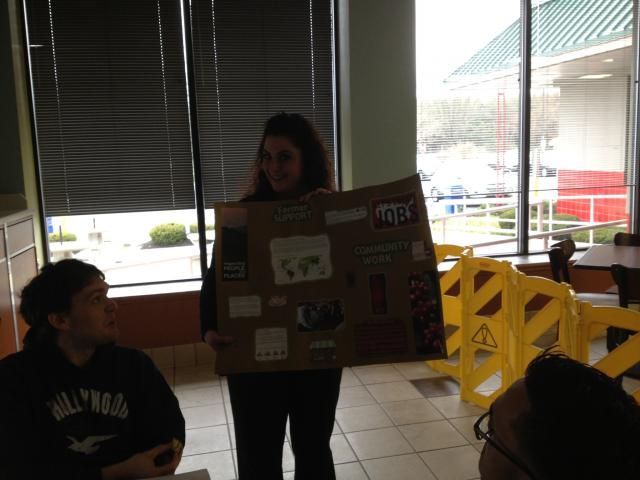
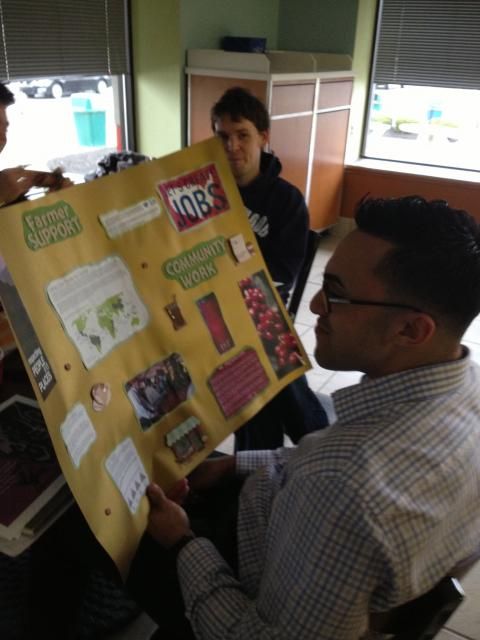
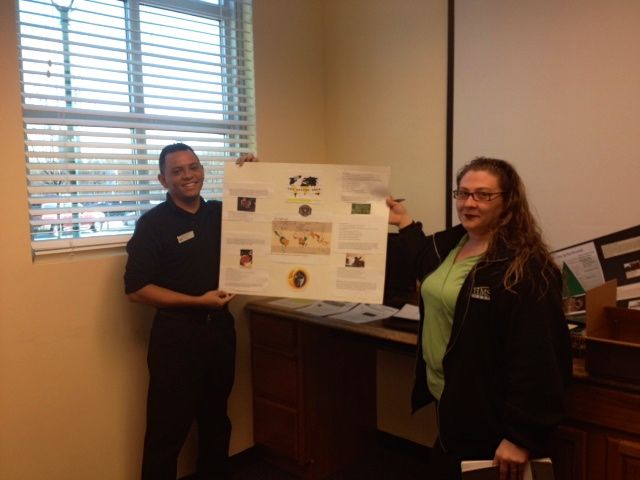
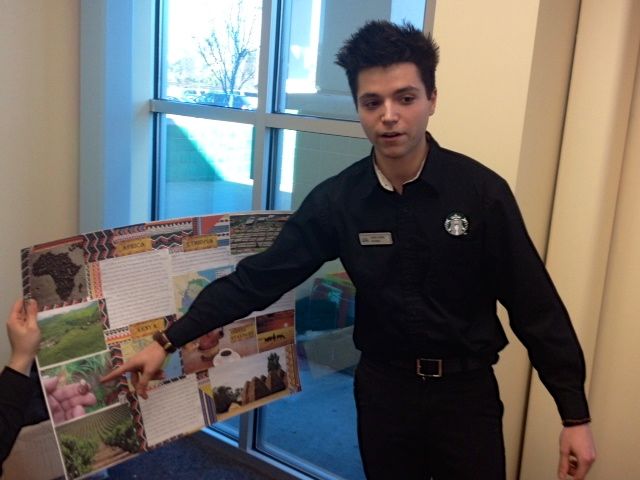
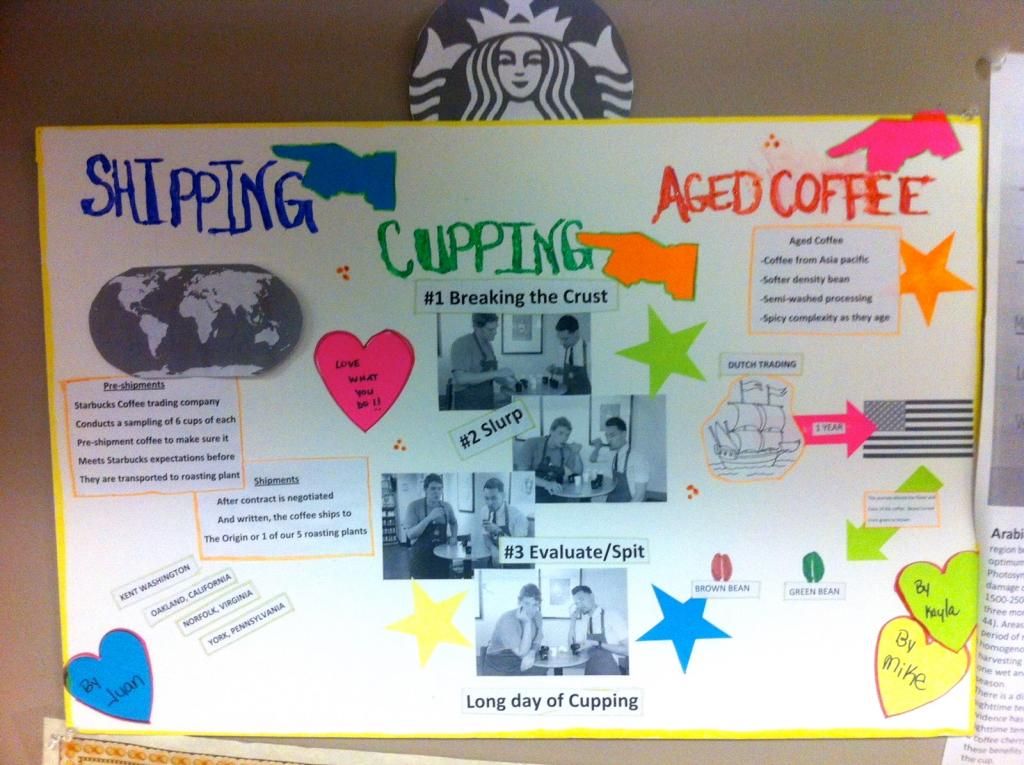
Stacey Carpenito (Licensed Brand Champion/Coffee Master) presented her project on Farmer Support and Investing in Community. She did a beautiful poster board that included information on Farmer Support Centers and its ties to C.A.F.E. along with social projects Starbucks has done for communities. For the tasting, she did Komodo Dragon Blend which was perfectly paired with a cheese danish.
(Roberto holding Stacey's project)
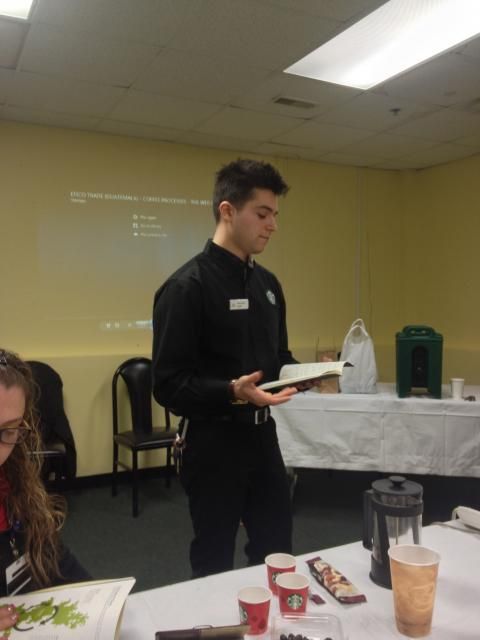
(Mike Penna teaching... Classic.)
The next class will be held at Molly Pitcher Travel Plaza on May 9th at 2pm. Projects will be on Quality & Roasting. Looking forward to the next class and our trip to the York Roasting Plant!
Thanks to Mike Penna for facilitating the class!
Thanks to everyone for sharing your projects!
Activity: Find 3 facts about Starbucks involvement with the community and post a comment!
We recently had our third Coffee Master Journey class at Molly Pitcher Travel Plaza. The class was facilitated by Mike Penna (Company Operated Store Manager/Coffee Master from NYC). The team brought in many exotic and unusual coffees for us to taste along with new projects to be presented.
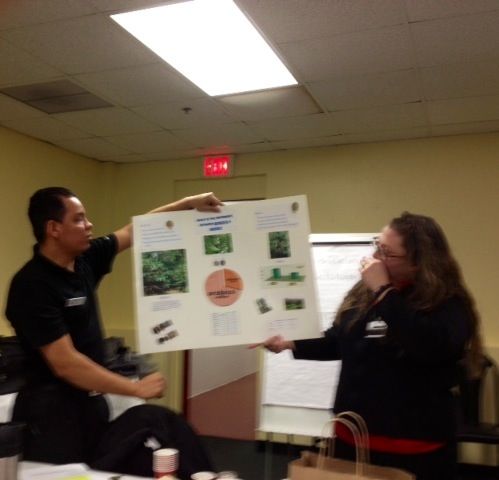
(Maykol & Julie Presenting their project)
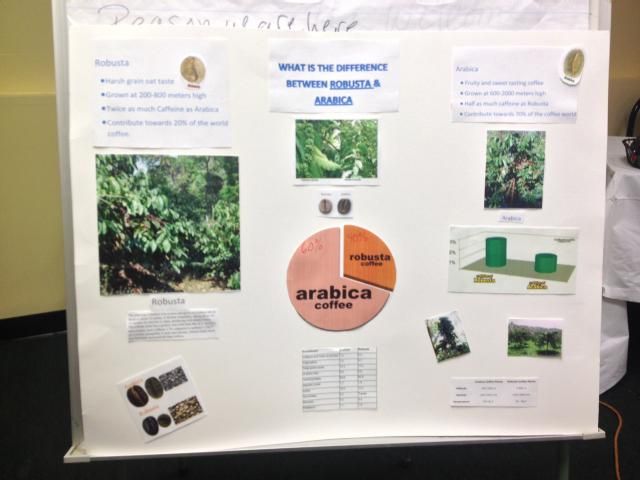
(Maykol & Julie's project)
Julie and Maykol started off the run of presentations with their project on the difference between Arabica and Robusta. Their poster board was very informative and included information a lot of people in the class never knew before, especially about the Robusta species of coffee trees. For their paring they picked a Starbucks Reserve Sun-Dried Sumatra Rasuna which is a naturally processed coffee that has a "winey" aroma with a distinct berry profile and was a coffee favored by most for it's aromatic nature and complex flavors. Paired with cranberry orange scone, the Sumatra was smooth and the citrus notes in the pastry brought out the berry flavors in the coffee. The other coffee they picked was Nescafe Instant Coffee which had a blend of Robusta and Arabica coffee to give us a taste of the robusta coffee. Their project came out awesome and they did a great job teaching the team about the difference between the Arabica and Robusta species!
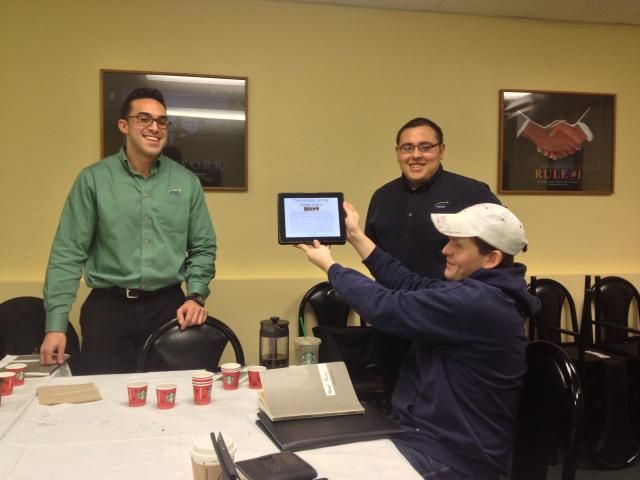
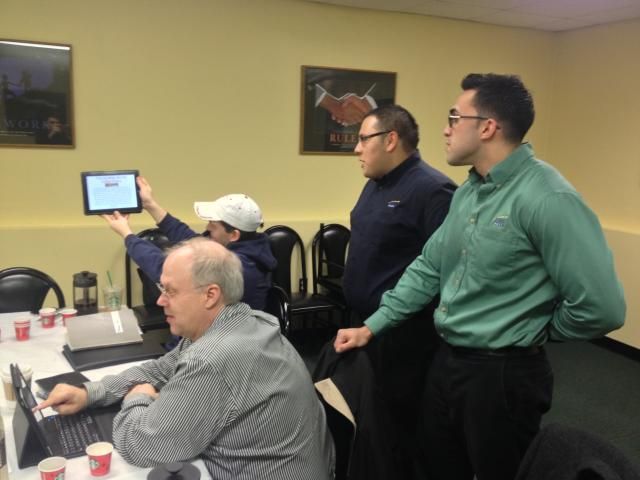
(Roberto, Manny, & Mike (Holding the iPad)
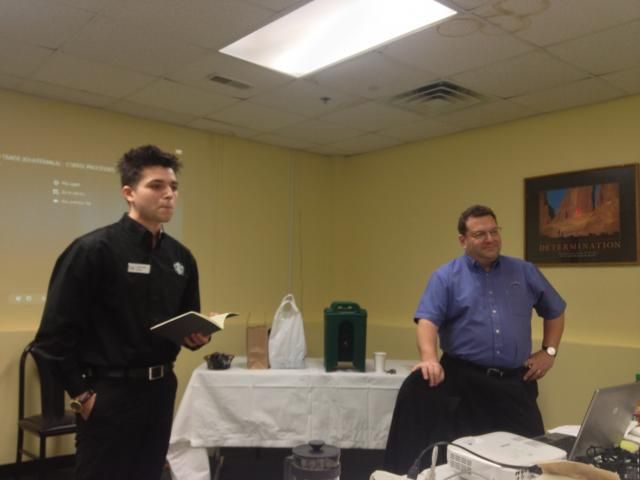
(Manny & Roberto presenting their project)
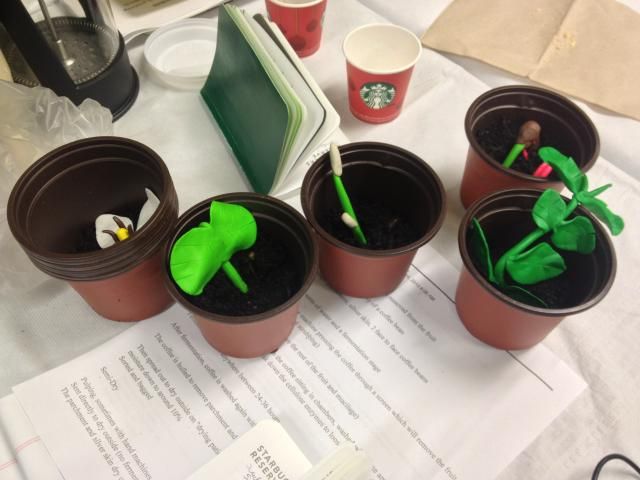
Roberto and Manfred's project was on the growth of the coffee tree and cherry. They split up their project into two separate presentations. The first was on the growth of the coffee tree in which they made a model of each step through out the tree's life until it becomes fruit bearing.
(Manny & Roberto's model of tree growth)
The models had precise detail and really gave the class a nice up-close visual of what the tree looks like from seedling to an adult tree.
The second part of their project was a powerpoint presentation on coffee cherry growth. They explained the life of a bean named Jim, from being an unripe baby to an adult ready to be picked. The project was hilarious and really taught the whole team about cherry growth from another perspective!
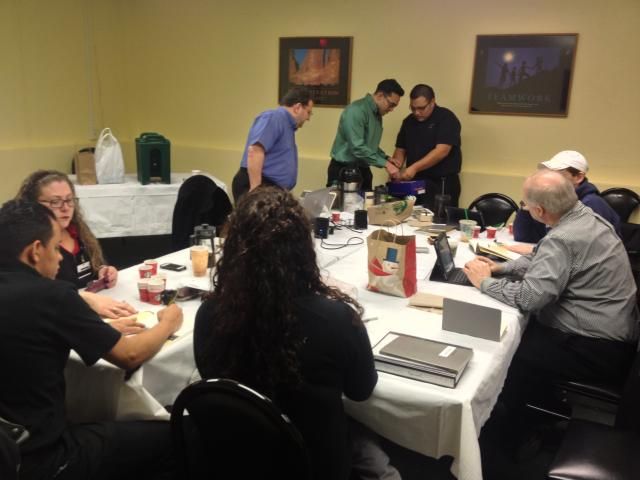
(Roberto & Manny preparing the coffee tastings)
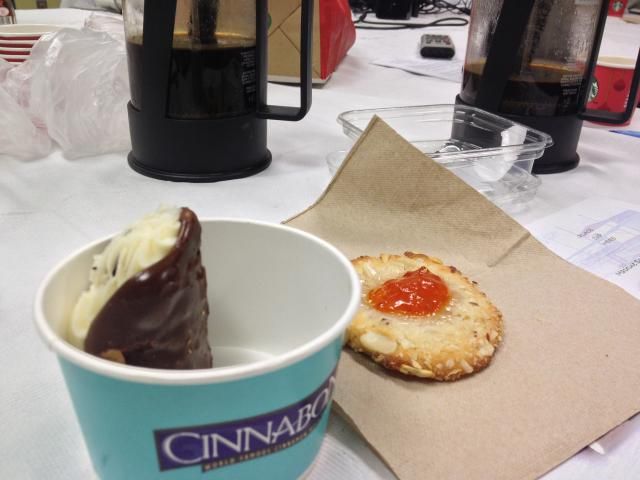
For Manny and Roberto's tasting, we had a Starbucks Reserve Panama Paso Ancho which was paired with cinnabons and had an incredibly clean finish with a nice cocoa profile. The pairing brought out the soft spice in the coffee and was a perfect conclusion to their presentation.
(Jay & Jordan presenting their project)
(Jordan)
Jay & Jordan's project was about the anatomy of the coffee cherry and processing. They presented a couple videos off the internet on Washed, Semi-Washed, and Natural Processing. (Links below)
The coffees they brought in for the tasting were a Starbucks Reserve Peru Aladino and Maui Mokka. The Peru was paired with an orange to bring out the citrus notes and sweetness of the coffee and the Maui was paired with chocolate covered espresso beans, the Maui had distinct cocoa flavors with a bright acidity; the chocolate covered espresso beans mellowed out the coffees acidity and had a nice crisp finish.
(Manny & Mark are impressed)
(Mark & Stacey presenting their project)
Lastly, Mark Ormsbee (Licensed District Manager/Coffee Master) & Stacey Carpenito (Licensed Brand Champion/Coffee Master) presented their project on grading and sorting of the green coffee beans. They made awesome handouts for their presentation that included pictures from Mark's trip to Costa Rica and tons of information on how coffee is graded and sorted before being sent out to roasting plants.
(Mark & Stacey presenting their project)
(Their coffee pairings!)
For their coffee tasting they did a Starbucks Reserve Ethiopia Sidamo and Starbucks Casi Cielo paired with a cannoli and an apricot/raspberry almond cookie. The ethiopia had a perfume like aroma with a huge punch of flavor from a deep chocolate to dark cherry and paired excellently with the almond cookies. The Casi Cielo (Translated from Spanish=Almost Heaven) was robust with an indulgent flavor profile and the rich cannoli was a great pairing for what we consider a "desert" coffee.
(Mike facilitating the class)
The amount of coffee knowledge this class has so far is immense. We are all teaching each other new information every time we meet, and the conversations keep getting better and better. The next class we will talk about how Starbucks buys coffee and the practices they use to do business.
Thanks to Mike Penna for facilitating the class!
Thanks to every one for sharing their projects!
The next class will be held at James Cooper Travel Plaza on April 11th at 2pm. We will be presenting projects on Starbucks Coffee Buying, bringing in Starbucks Core Coffees or Competitor Coffees for tastings, and sharing our action plans to sell coffee!
Activity: Find an interesting fact about each of the subjects and post a comment!
Our second Coffee Master Journey meeting was held yesterday at Cheesequake Travel Plaza. Mike Penna (Company Operated Store Manager/Coffee Master from NYC) facilitated the class and brought in samples for us to try of the new cold-pressed juices from Evolution Fresh. Since our last meeting we have been working on our projects and finding coffees to go with each of the subjects in Chapter Two: "Agriculture" of the Coffee Master Journals; Elevation, Latin America, Africa/Arabia, & Asia/Pacific.
(Maykol & Julie presenting their project)
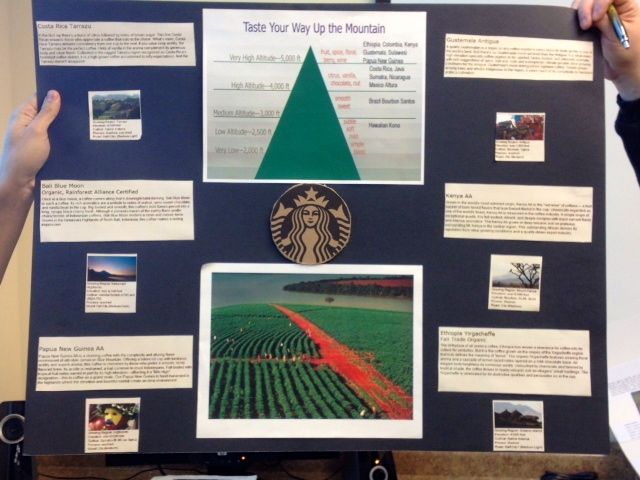
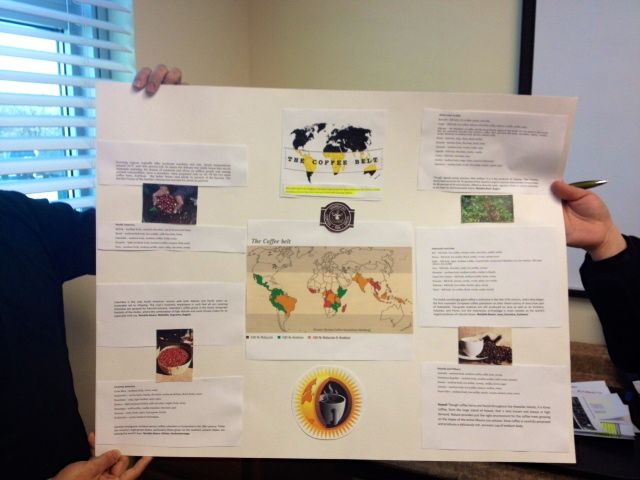
We started out with Maykol & Julie's project which was about Elevation. They made two poster boards with a wealth of great information to share with the class. Showcasing the different elevations that countries grow coffee at and their flavor profile, the "Coffee belt" and even some specific countries that are known for their coffees growing at some of the highest elevations in the world.
(Maykol & Julie's projects)
For their coffee tasting, they chose Starbucks Guatemala Antigua, which is one of the few single origin coffee's in the Starbucks Core Line-up. The coffee had a pleasant aroma with hints of soft spice and cocoa, very balanced yet an elegant complexity. Guatemala Antigua was an excellent choice since the coffee grows at an elevation of 5000-6000+ ft above sea level. The coffee was paired with Caramel Brûlée Bites which brought out the subtle sweetness of the coffee along with it's cocoa notes.
(Latin American coffee ready for washed processing)
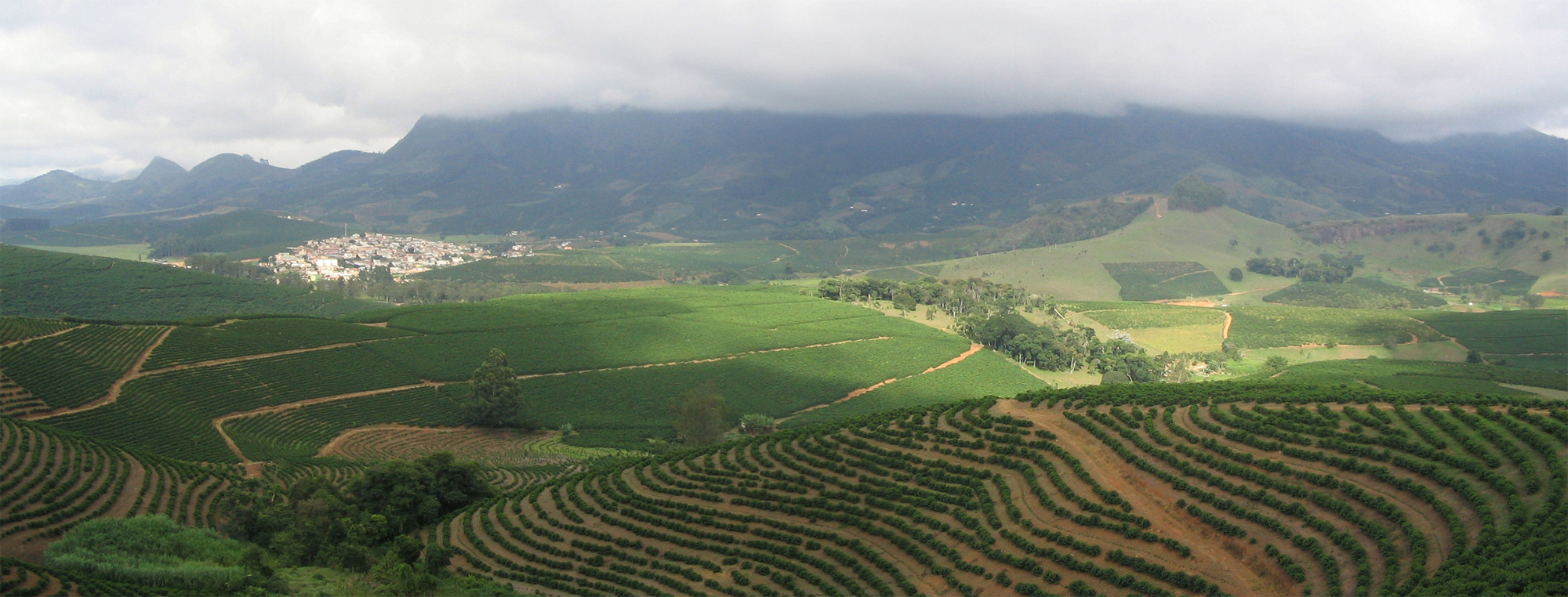
The next project was done by Manfred & Roberto on the Latin America coffee growing region and was done as a slideshow presentation. All of the information in the slideshow was extremely informative and detailed along with beautiful scenic pictures of Central America. The project focused around Guatemala and Costa Rica for being important countries to Starbucks coffee buyers. The coffee tasting for this project was Starbucks Puerto Rico which was paired with glazed pomegranate cashews. Coffee was brought to Puerto Rico by Spanish explorers in the mid 1700's and are direct decedents from trees in the groves of King Louis XIV of France. The coffee was balanced and nutty with a soft acidity and a clean finish. The pairing brought out the acidity and complimented the coffee nicely. Mark Ormsbee (Licensed District Manager/Coffee Master) shared pictures of his visit to Costa Rica which summed up a lot of Roberto & Manfred's project with visuals of small family owned farms and stories of Starbucks changing the lives of the Latin American people. "Pura Vida!"
(Jordan presenting the Africa/Arabia project)
(Jay & Jordan's project)
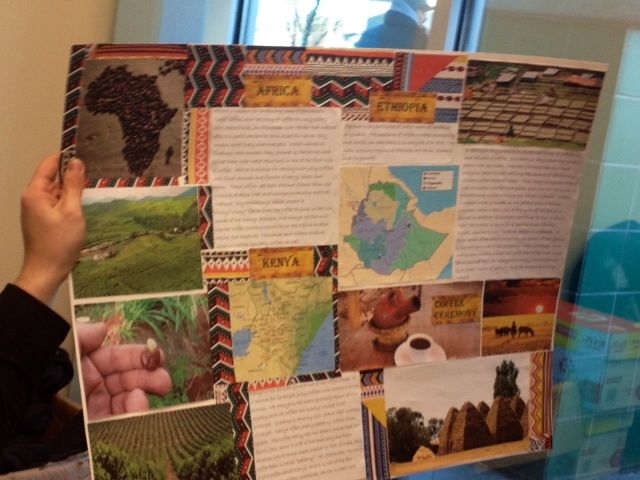
The project on the Africa/Arabia growing region was done by Jay & Jordan. Kenya & Ethiopia were in the spotlight for this project due to how much coffee is produced in these countries and the reception they get for their exquisite and complex taste profiles. Ethiopia is the birthplace of coffee were all arabicas originated and also were some of the first cups of coffee were brewed. The coffees chosen for the tasting were a Starbucks Reserve Malawi: Lake Of Stars which gets it's name from the twinkle of fishermen's lanterns reflecting on the water at night, and a Ethiopia Yirgacheffe from a cafe called America's Cup in Asbury Park, NJ which roasts on site. The Malawi was full bodied with aromas of citrus and soft spice, paired with lemon loaf brought the coffee to the next level. Mike Penna (Company Operated Store Manager/Coffee Master from NYC) commented that the lemon loaf was a excellent pairing for the Malawi and really brought out the citrus flavor in the coffee. The Ethiopia Yirgacheffe was bright with a very noticeable acidity, a light roast comparable to a Starbucks blonde roast with similar attributes. Paired with chocolate cinnamon bread, it brought out the cocoa notes in the coffee while leveling out the acidity and spiciness that the Yirgacheffe region is known for.
(Stacey & Mark's project)
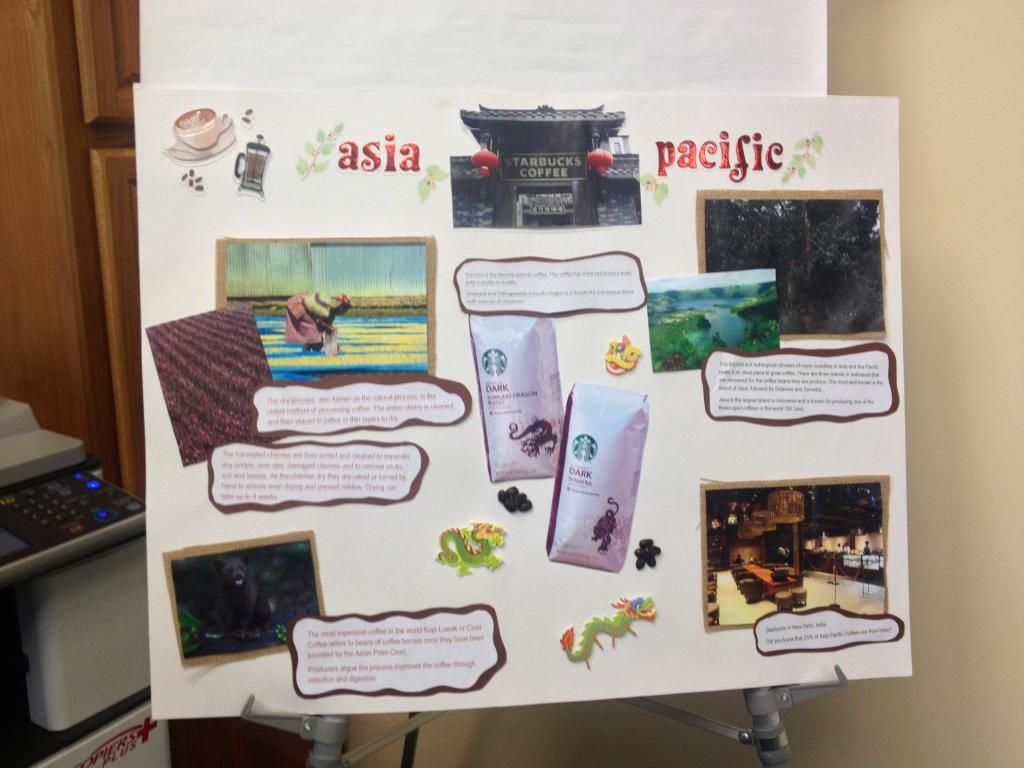
Lastly, Stacey Carpenito (Licensed Brand Champion/Coffee Master) & Mark Ormsbee (Licensed District Manager/Coffee Master) presented their project on the Asia/Pacific growing region. This region is known for producing full bodied coffees that are herbal and earthy with flavors of spice. Sumatra and Komodo are two core Starbucks coffees that come from this region and are very popular amongst the dark roast drinkers. The most expensive coffee, Kopi Luwak, known for it's odd processing method comes from the Asian/Pacific region and could cost up to $300 a pound! The coffee tasting Mark & Stacey provided was a real treat for all of us; the two new Starbucks Reserves West Java Indonesia & Isla Flores Indonesia paired with a variety of cupcakes from Crumbs. The West Java had an herbal complexity with a milk chocolate flavor and paired really well with the red velvet cupcake. The Isla Flores is processed fully washed which is different from most Asian/Pacific coffees which are semi-washed; this coffee was incredibly smooth with a clean finish, and was favored by all in the room.
We are all progressing so well in our Coffee Master Journeys, and yesterday proved it with the amount of information shared and the rising passion for all things coffee.
Thanks to Mike Penna for facilitating this class and bringing in samples of Evolution Fresh!
Thanks to Stacey Carpenito for the Coffee Tasting Guide covers and Starbucks pens!
Thanks to all for bringing in your coffees for us to try and sharing your incredible projects!
The next class will be held at Molly Pitcher Travel Plaza on March 14th at 2pm. I'm sure we're all excited to try some more coffees and share our coffee knowledge to all.
Activity: Comment something that interested you about each of the projects. What was something new that you never knew about for Elevation, Latin America, Africa/Arabia, & Asia/Pacific?
Did you know? Arabica trees can be planted and grown at elevations of 900-1800 meters above sea level!
Latin America
Did you know? Colombia is ranked 3rd in the world for coffee production, exporting over 1.5 Billion pounds of coffee!
Africa/Arabia
Did you know? Africa is the birthplace of coffee and where all arabica's originated!
Asia/Pacific
Did you know? Indonesia is home to the most expensive coffee in the world, Kopi Luwak, which has retail prices that reach $700 per kilogram! ($300+ for a pound)
Here's an activity for the class!
Please comment one fact about each of the following:
-Elevation
-Latin America
-Africa/Arabia
-Asia/Pacific
Once I get a comment from everyone, I will update this post to have your information in each section!
I hope you guys are having fun working on your projects and finding coffees to taste for our next class!
Sample Project by: Mike Penna (Coffee Master/Store Manager NYC)
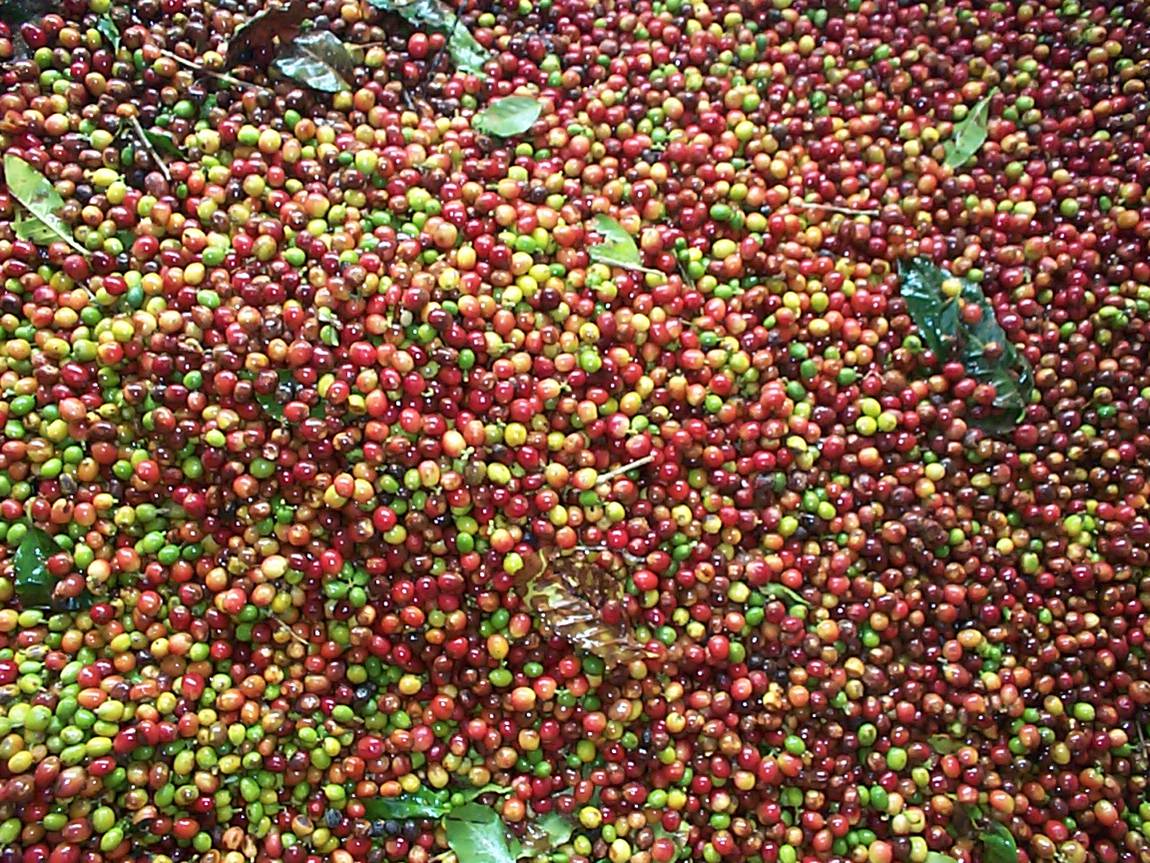
At the moment, Latin America is being effected heavily by coffee rust (pictured above.)
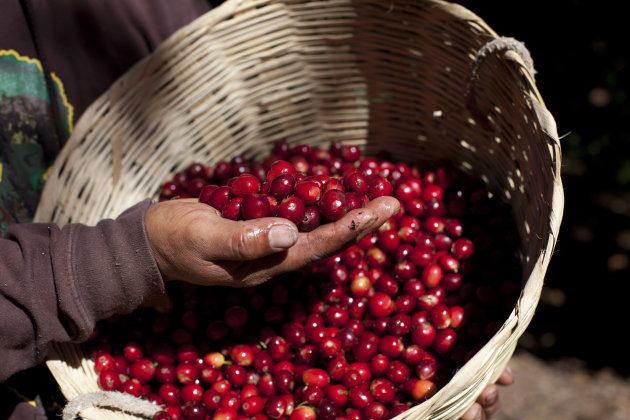
"Coffee Rust," is a fungus, scientifically know by as Hemileia Vastatrix, which forms clusters of yellowish-orange leshions on the coffee leaves causing the tree to no longer bare fruit (coffee cherries.) This disease is devistating to coffee plantations and causes a majority of the farms land to cease productions.
The disease was first reported in Kenya in 1861, then spread to Sri Lanka, and by the early 1900's widely throughout Africa and Asia. It started to affect most of the Asian/Pacific growing region and now is heavily spread across Latin America. This is ground breaking due to the amount of Latin American coffee Starbucks purchases, especially from Guatemala. In the comming months, if these farms aren't treated properly with pesticides, we could see a spike in coffee prices from the Latin American countries.
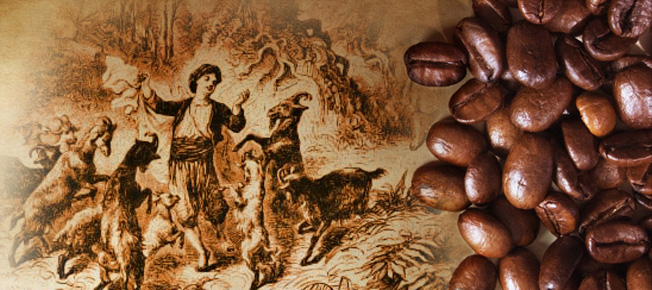
Ethiopia is the birthplace of coffee. The Oromo people are believed to be the first to discover the energizing effect of the coffee plant. The story of Kaldi the goat herder, remains the seed in the timeline of coffee's life (pun intended). The 9th century goat herder Kaldi, discovered coffee by accident when he noticed his goats were becoming more active from eating the coffee berries. After stumbling upon monks, he shared his findings with them and they became quite fond of the reaction it gave them. Resulting in more energy for longer hours of prayer. Although the story of Kaldi is believed by most, there are other stories that attribute to the discovery of coffee.
Sheik Omar, was believed to cure the sick through prayer. Omar was once exiled from Mocha, Yemen to Ousab. While in a desert cave in Ousab he noticed berries growing off of a shrubbery, but didn't favor them due to the bitter flavor. He then tried roasting the seeds but they became hard, so to soften them he boiled them in water which resulted in a fragrant brown liquid which would soon be coined as the "miracle drug." After drinking this liquid, he became revitalized and sustained for days. Stories of this "miracle drug" reached Mocha, and Sheik Omar was asked to return and was made a saint for his findings.
In the 15th century, the first credible evidence of coffees existence appears around Mocha, Yemen in Sufi Monasteries. In Arabia, coffee seeds were first roasted and brewed, done in a similar way to this very day. By the 16th century, coffee knowledge reached the rest of the Middle East, Persia, Turkey, and North Africa. Yemeni traders brought coffee back to their homeland to cultivate the seed.
Portrait of Baba Budan
In 1670, coffee was first smuggled out of the Middle East by Sufi Baba Budan from Yemen to India.
This picture explains how Baba Budan smuggled coffee out of the Middle East by strapping seven coffee beans to his chest. The first plants grown from these smuggled seeds were planted in Mysore, India followed by it's spread to Italy and the rest of Europe, then to Indonesia, and the Americas.
Coffee has made an incredible impact on all of these cultures even to this day. Then, used as a medicine, or to form social gatherings, and even possibly the beverage that brought War Generals together to discuss battle strategies. Now, coffee is the heart of some nations, nurturing a blooming economy.
Discovery, curiosity, innovation, and passion is what bridged the gap between coffee being just a berry on a shrub to a delicious cup in the hands of millions every day...
(Left to right: Mike (Coffee Master), Maykol, Julie, Stacey, Jordan (Standing), Manfred, & Roberto)
Today was a productive day at the Coffee Master Class in Woodrow Wilson Travel Plaza. Facilitated by Mike Penna (Starbucks Company Operated Store Manager/Coffee Master from NYC), he kicked off the class with a coffee tasting of Pike Place Roast and Cafe Verona. Followed by an introduction of our future Coffee Masters which include; Maykol Villalobos, Roberto Rivera, Manfred Goracy, Jordan Alejandro, Julie Feliberty and our current Coffee Masters Mark Ormsbee (Licensed District Manager) and Stacey Carpenito (Starbucks Brand Champion.)
We explored the history of coffee, starting with Kaldi and his goats to the opening of the first Starbucks at Pike Place Market in 1971. The discovery started in Ethiopia as an accident and led to being one of the most sought after commodities in the world. We learned how espresso got its name and the meaning behind the word "Cappuccino", the first coffee filter and Amsterdam becoming the trading center of coffee. The history of coffee is rich with legend, intrigue, smuggling, and romance. Today, the Starbucks Coffee story was revealed and our knowledge on it's origins have expanded.
The class was wrapped up with a coffee tasting of Sun-Dried Ethiopia Sidamo, a reserve from Africa that was processed naturally. The coffee was incredible, and the perfect finish to the day.
Our next class will be hosted at Cheesequake Travel Plaza on February 21st with some exciting projects and tastings ahead of us. Four groups were formed to present a section of "Chapter 2: Geographic Origins," the groups include:
Jay Greenberg & Jordan Alejandro
Maykol Villalobos & Julie Feliberty
Manfred Goracy & Roberto Rivera
Mark Ormsbee & Stacey Carpenito
Thanks to Mike Penna, Mark Ormsbee, and Stacey Carpenito for making this happen. We will all see each other in a couple weeks to start the second chapter of our Coffee Master books. Until then, keep drinking coffee!